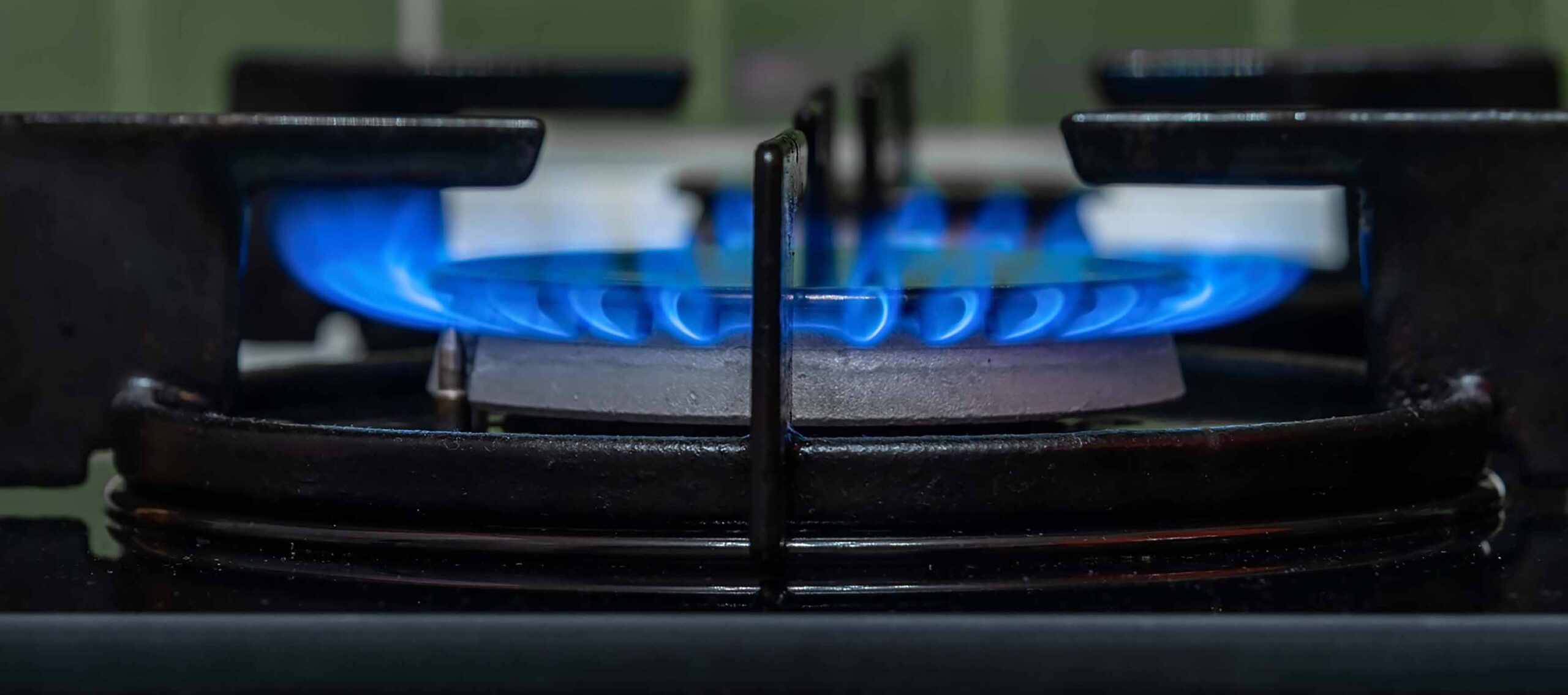

South Australia has chosen not to join other states in adopting new rules that require households to pay an up-front fee for any new connections to the gas network, declaring that “discouraging” the use of the fossil fuel in homes is “not a policy” the party supports.
From October 1, home builders applying for new gas connections in New South Wales (NSW), the ACT and parts of Queensland will join Victoria in having to pay up front and in full for the service, following a rule change finalised by the Australian Energy Market Commission (AEMC) last December.
Under the old framework, new customer connection costs were typically added to a gas distributor’s capital base and recovered from consumers over time, through bills.
The new rule aims to disincentivise gas connections in new homes, while also protecting those households that can’t get off gas, including renters and people who cannot afford to, from holding the tab for increasingly abandoned networks, as more of those who can electrify, do.
But South Australia – which was also expected to apply the new national rule – has demurred, legislating a delay that pushes out the deadline until a day specified by the minister by notice published in the Gazette.
The state Labor government argues that because gas connections to homes in South Australia are rising – “to the tune of 5,000 per year,” as state energy minister Tom Koutsantonis put it in a statement issued on Friday – it doesn’t want to make new homes more expensive to build.
“We have always sought to give South Australians choice in how they power their homes, Koutsantonis said in the statement. “That’s why we’ve avoided the policies of some other NEM jurisdictions that could make it harder for families and small businesses in new builds to choose gas.”
The minister says the new rule threatened to cost individual households connecting to gas up to $2,500. For new housing developments, the connection cost could have increased by a further $1000 to $2000 per lot, he said.
“We argued this was both unfair and unnecessary here in South Australia because new gas connections continue to grow in this state, to the tune of 5000 per year.
Interestingly, Koutsantonis also noted that that growth was happening, “in part because of our position that households and small business customers should have the choice to connect or not connect to gas.” A frank acknowledgement of the role policy will have in the gas network death spiral.
“While electrification will continue to gather pace, we see gas having an important role into the future, for South Australian households and for industry,” he said, putting his Labor party at odds with its counterparts in Victoria and NSW.
“This legislation will help ensure gas remains an option for all South Australians, while preventing another impost on the cost of building a home.”
But SA Labor’s now official position – that “discouraging new residential gas connections is not a policy of the Malinauskas … government” – is making consumer groups see red.
“It is deeply disappointing that South Australia has chosen to delay this protection, leaving young families already exposed to record-high interest rates and cost of living pressures at risk of buying homes that are more expensive to run,’” says Rewiring Australia CEO Francis Vierboom in a statement.
The decline of gas use as households electrify has been obvious to groups such as Rewiring Australia and Energy Consumers Australia (ECA), the latter of which made the original request for the AEMC rule change.
ECA modelling suggests the delay in South Australia could add up to $155 million to the bills of existing gas users, who will continue to pay for new gas connections.
The ECA’s Brendan French says the Peter Malinauskas-led Labor government in South Australia is refusing to protect vulnerable people.
“Consumers cannot be left paying an unfair share as the gas network declines,” he said in a statement last month.
“ECA recognises the South Australian government’s commitment to a fully operational gas network and to consumer choice. The rule change would still enable consumers to connect to gas, but that choice would be paid by the connecting customer rather than by other consumers on the gas network.”
South Australian gas network operator Australian Gas Networks is forecasting a drop in household gas use over the next five years.
It expects household gas demand in the state to fall by 21 per cent, and household connections to decline by 2.6 per cent, as South Australians swap gas for electric appliances.
ECA modelling suggests a typical South Australian household will see gas bills rise more than 60 per cent over the next decade as fewer people are left to pay for network costs.
Modelling from a Rewiring Australia report released last year, The Electrification Tipping Point, shows that an average fossil-fuelled home could save $4,100 a year by fully electrifying.
If you would like to join more than 29,000 others and get the latest clean energy news delivered straight to your inbox, for free, please click here to subscribe to our free daily newsletter.